A workshop for 5–6 people has a practical advantage: everyone can contribute, and the group can make decisions without lengthy presentations. Yet two hours can disappear quickly if you start with a broad question such as “How could we improve the business?”. Begin with a specific problem and agree on what you want to leave the room with.
The structure below is designed for a prioritisation and planning workshop. You can adapt it to an internal project, a service improvement or the next set of changes to a product.
1. Define the outcome before inviting the team
Put a measurable outcome in the invitation: “By the end, we will choose three actions for the next two weeks, each with an owner and an initial deadline”. This helps participants distinguish interesting ideas from decisions that need to be made today.
Also define the boundaries: the project, the planning period and the resources available. If the meeting cannot change the budget, make that clear at the start. Keep questions outside this scope on a separate list for a later discussion, so they are recorded without taking over the session.
2. Assign roles and prepare the information
Choose a facilitator to guide the discussion, a timekeeper and someone to record decisions. In a small team, one person can cover two roles. Agree in advance who will confirm the final choice if the participants cannot reach a shared decision.
Before the workshop, send one page describing the problem, a few concrete observations and the question the group needs to answer. Ask each participant to bring two suggestions and an example from their work. Avoid asking everyone to prepare a lengthy presentation: use the shared time to compare options and make decisions.
3. Use an agenda that adds up to 120 minutes
- Minutes 0–10: confirm the outcome, boundaries and selection criteria. Duration: 10 minutes.
- Minutes 10–25: write down ideas individually, then share them briefly. Duration: 15 minutes.
- Minutes 25–50: group the suggestions and clarify which problem each one addresses. Duration: 25 minutes.
- Minutes 50–55: take a short break. Duration: 5 minutes.
- Minutes 55–90: compare the options by impact, effort and dependencies; choose the priorities. Duration: 35 minutes.
- Minutes 90–120: turn the priorities into actions with owners, deadlines and a definition of completion. Duration: 30 minutes.
If voting helps, use it to understand the group’s preferences. Then check whether the selected actions are achievable with the resources available. A popular idea may still depend on information or approval you do not yet have. Record that dependency rather than treating the action as ready to begin.
4. An example: from ten ideas to three actions
A team of six wants to simplify how it receives customer enquiries. The opening discussion produces ten suggestions, including changes to the enquiry form, standard responses, additional website information and a clearer way to assign incoming requests.
After comparing the options, the team chooses three actions: remove an unnecessary form field, write a response to recurring questions and decide who takes responsibility for each enquiry. For every action, they record an owner, a proposed deadline and a way to check the result. The remaining ideas stay on the list without overcrowding the immediate plan.
5. Clarify the room requirements before booking
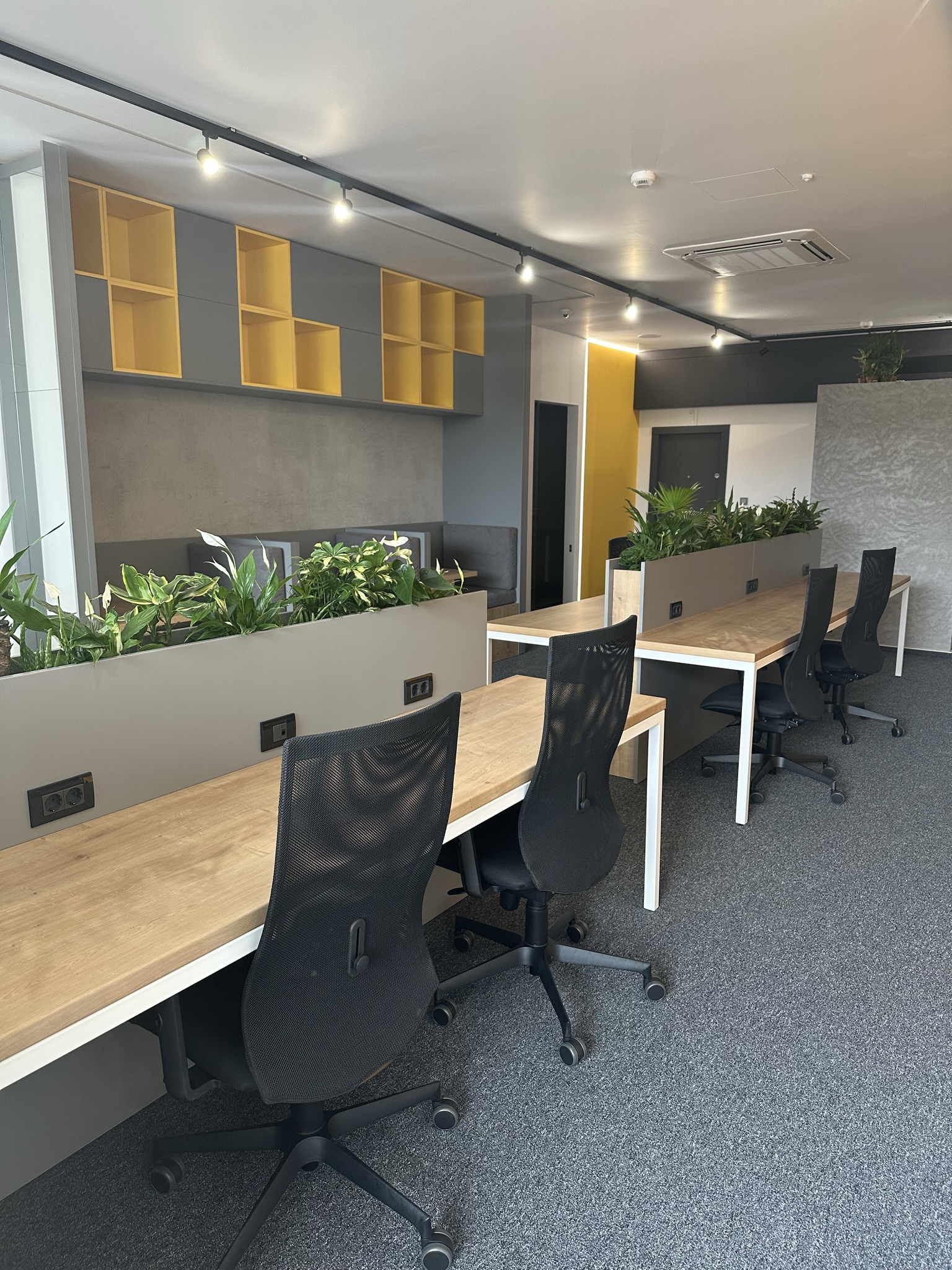
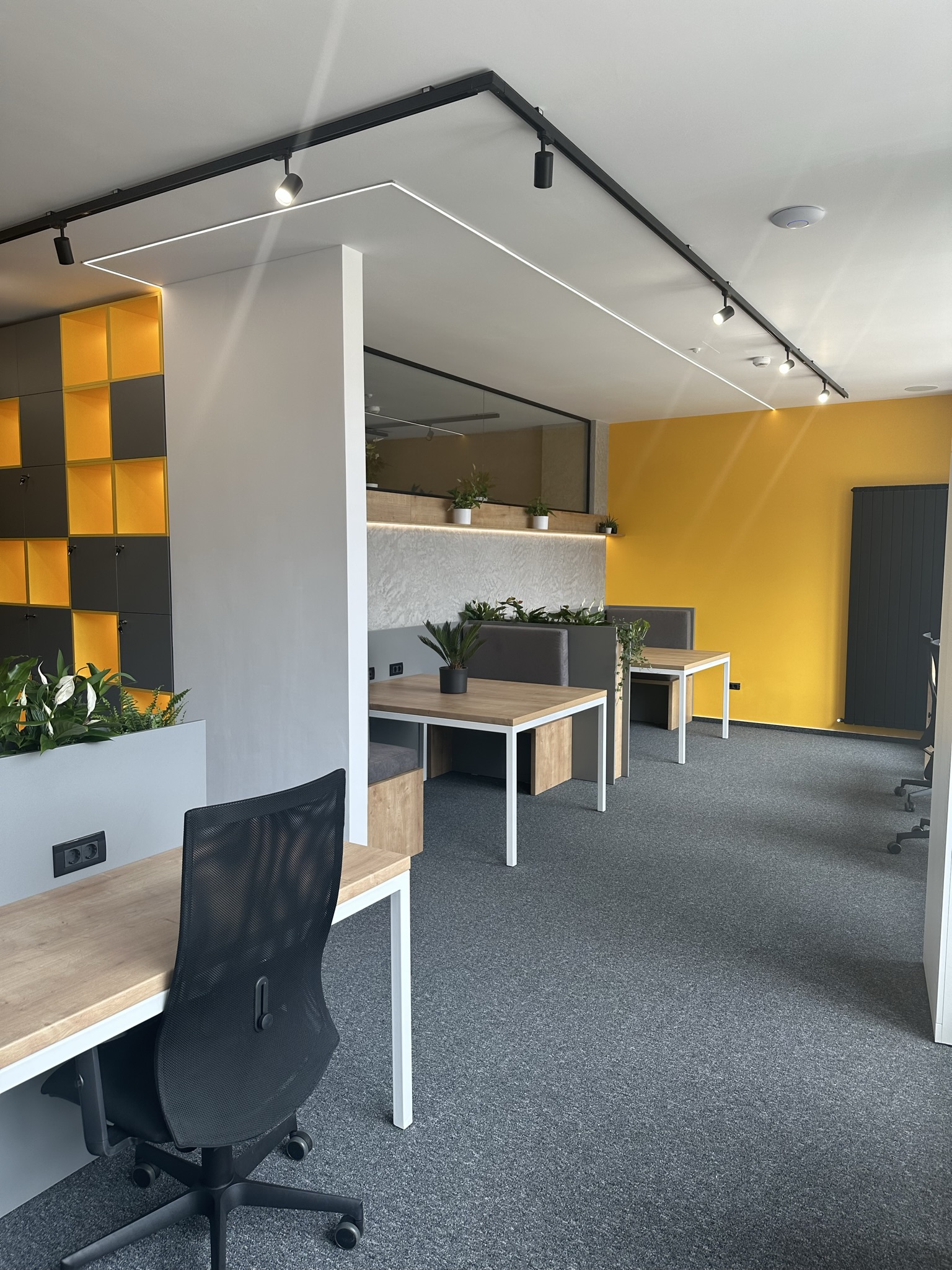
For a workshop in Bucharest, start with Hubit’s meeting room and explain how your group of 5–6 people plans to work. State the workshop’s duration and ask separately about the time needed for preparation and wrapping up.
If your activities involve displaying a shared document, writing on a large surface or splitting into smaller groups, ask which equipment and room arrangements are available. Confirm the items you need and the materials you will bring before finalising the exercises. Build the workshop around confirmed arrangements.
6. Finish with a plan the team can follow
Send a short recap listing decisions, actions, owners, deadlines and unresolved questions. Arrange a brief check-in after the first deadline, focusing on progress and obstacles. This keeps the workshop’s output connected to everyday work and gives participants a clear point at which to raise problems.
Ask about holding your workshop at Hubit. Include the number of participants, your preferred date and time, and your working requirements. You can then confirm availability and booking conditions before making arrangements.